Issue 01
Using, Teaching with, and Bettering A Neighborhood-Centered Design Methodology

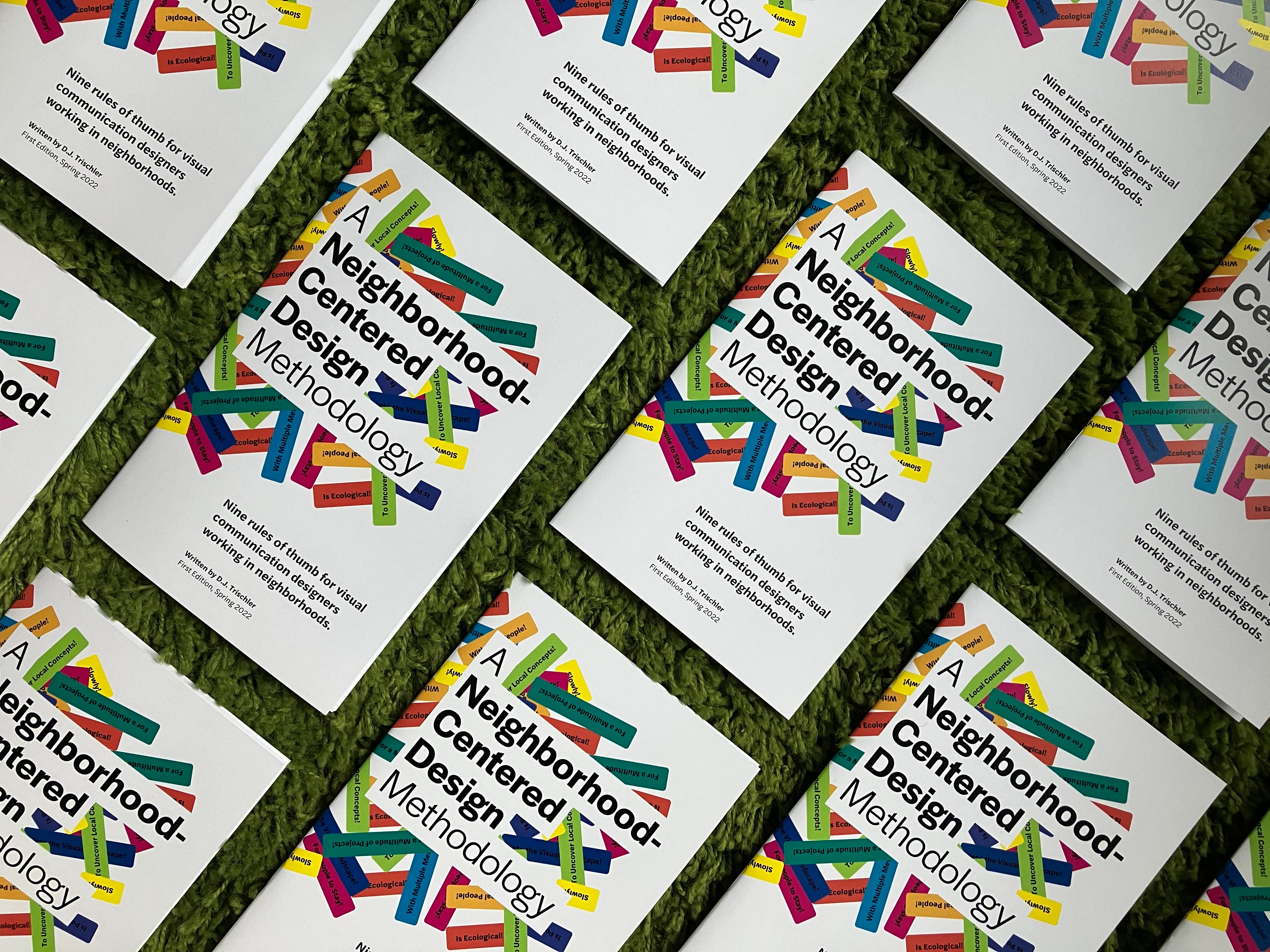
Have you read or used the Neighborhood-Centered Design guide?
Please email me with a response to the following three questions:
How have you used A Neighborhood-Centered Methodology?
What about the guide was helpful?
What do you wish for from the guide that wasn’t already included?
I am exploring collaboration opportunities or ways to publish and promote the research and framework. Please let me know if you have any other ideas or recommendations.
I will send you a free printed copy of the guide in return for your sharing. Please include your postal address with your response.
Click here to download the PDF version of the guide.
Using A Neighborhood-Centered Design Methodology.
I wrote A Neighborhood-Centered Design Methodology for my Master of Design (MDes) thesis at the University of Cincinnati almost a year ago. Since my defense, I have been using the guide to influence research/design on the nodes project.
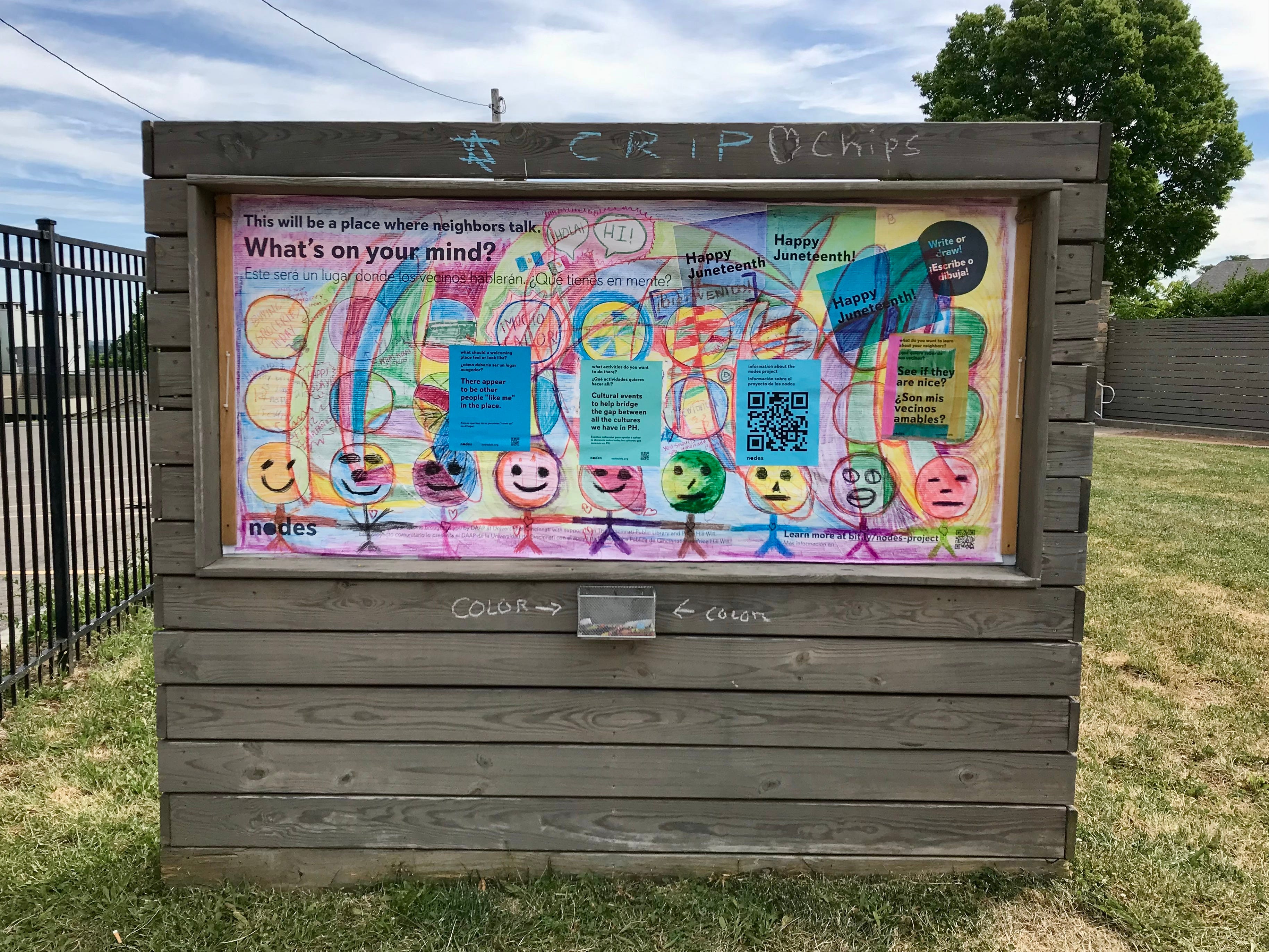
nodes extend digital library resources into Cincinnati’s underserved communities with the ambition to reach beyond a library building’s walls. An individual node is an interactive space that fuses friendly modular furniture, free public wi-fi, and connection to local community engagement opportunities, together with digital content from the Cincinnati & Hamilton County Public Library.
Rule of thumb three from the guide was especially beneficial in the initial stages of the nodes project. A quote in the section reads, “The best thing for a designer to do is just spend time in the community without a definitive research goal.”
That’s what I did most of summer 2022. I spent a lot of time at the nodes pilot site in Price Hill, building relationships with the people in the space — store owners, customers, and neighbors. I often sat with my new friends outside their storefronts, drinking coffee and eating food — usually made by one of the store owners or a street vendor. It didn’t take long to feel a part of the community and recognize that the area already has so much going for it without a node in place.
My teammate and I also displayed several prompts on the bulletin board (pictured above), asking the community to express their needs and desires for the area around the node. We exhibited the responses on the nodes website, print materials, and social media to amplify the community’s voices and encourage more participation. The combination of prompt activities and immersion in the space — with no definitive research goal — was crucial in forging a sense of connection between the community and the nodes team.
Teaching with A Neighborhood-Centered Design Methodology.
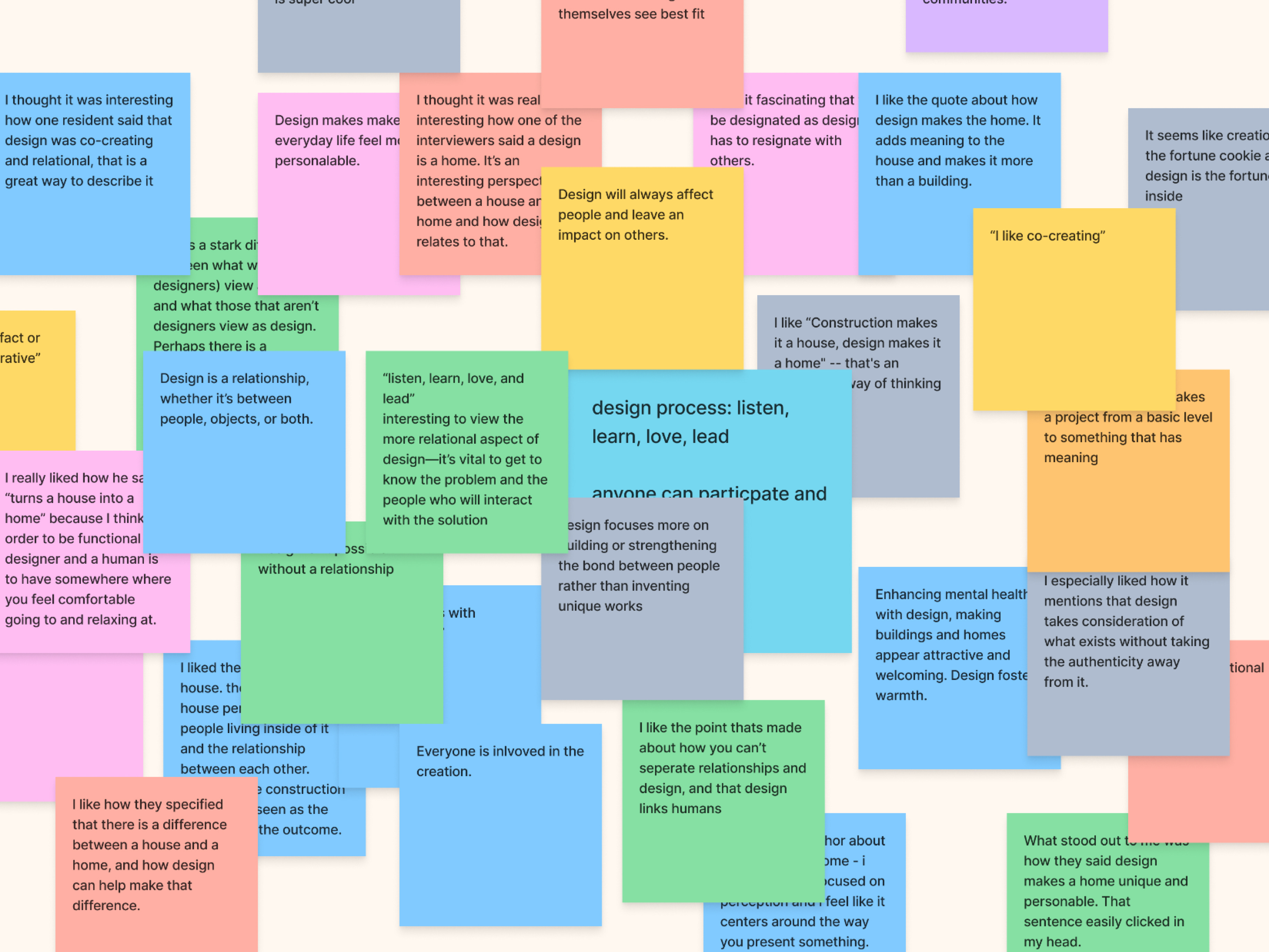
This past fall semester, I taught an introduction to design lecture. In the class, I presented rule of thumb seven, where Price Hill neighbors shared their design definitions, as a class discussion prompt. Students often highlighted the quote, “construction makes a house, but design makes a home,” and showed appreciation for the relation-centeredness of the descriptions. I sensed that the students enjoyed hearing non-academic design language. Their reactions reminded me of my thesis advisor’s comment about the neighborhood descriptions making more sense than any design theorist they had heard.
Bettering the Guide
As I think about improving the guide, it feels important to include ideas from service design and community-based action research (CBAR). The more I engage with my neighbors in Price Hill, the more explicitly I see a need for better-designed services. By better-designed services, I mean the ways neighbors participate in local government, engage in a community garden, sign up for waste disposal, utilize public space, collaborate with their neighbors, and more. These services need my neighbors’ expertise/participation, and CBAR approaches can help them succeed.
Furthermore, neighborhood-centered designers must become aware of trauma within their research and design context. Admittedly, my past experiences reveal I am often ill-equipped and unaware of how my research can potentially re-trigger trauma. Being trauma-responsive can help mitigate unintended but alienating processes and activities.
What do you think?
Please reply in the comments if you have experience in service design, CBAR, or trauma-responsive design/research in neighborhoods or micro-communities.
Neighborhood-Centered Design Resources
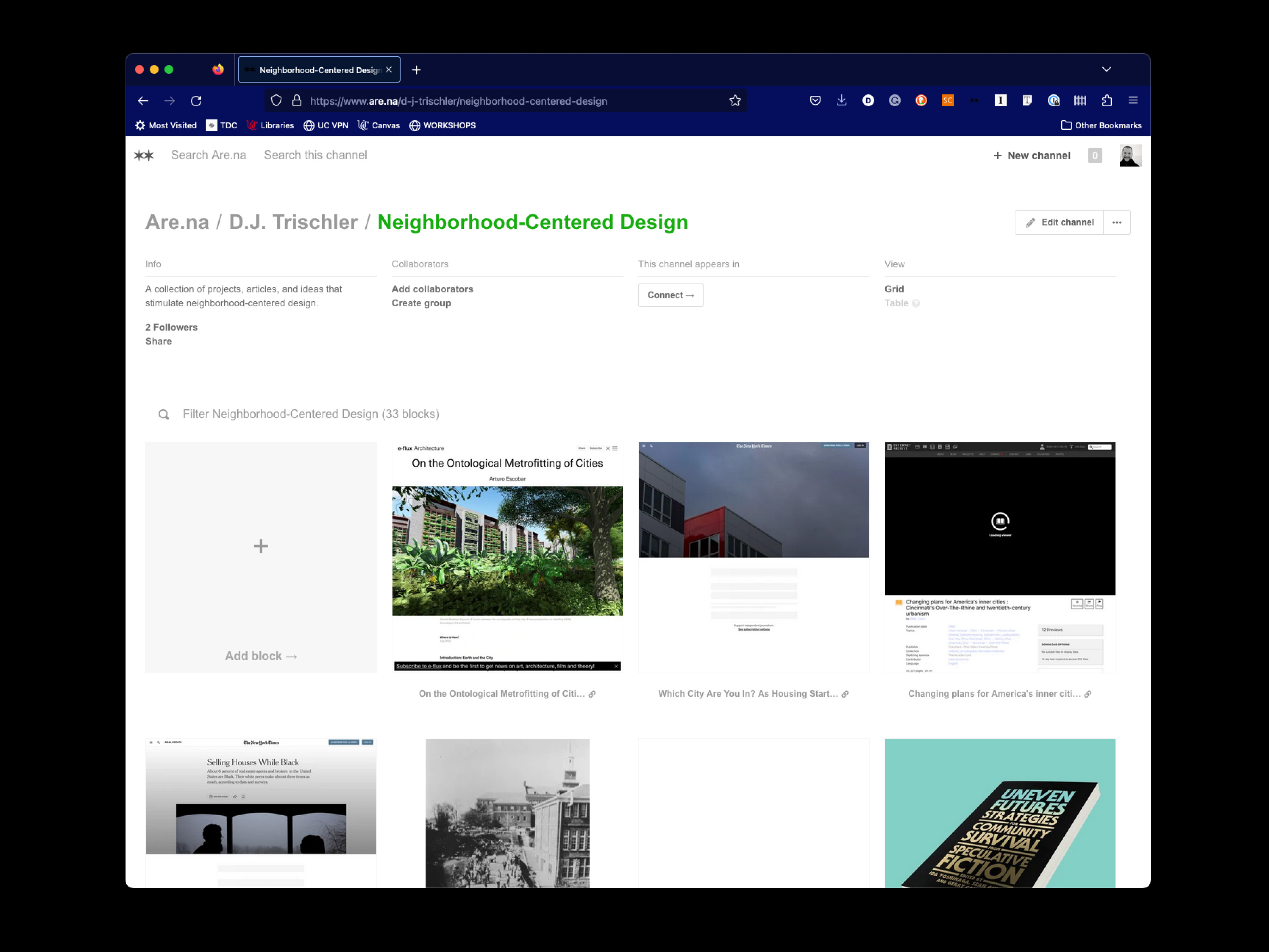
Click here for an ever-increasing collection of NCD-related resources — like this charming vignette of a neighborhood McDonald’s in San Francisco. It’s an open channel, so that anyone can contribute.
About the Author
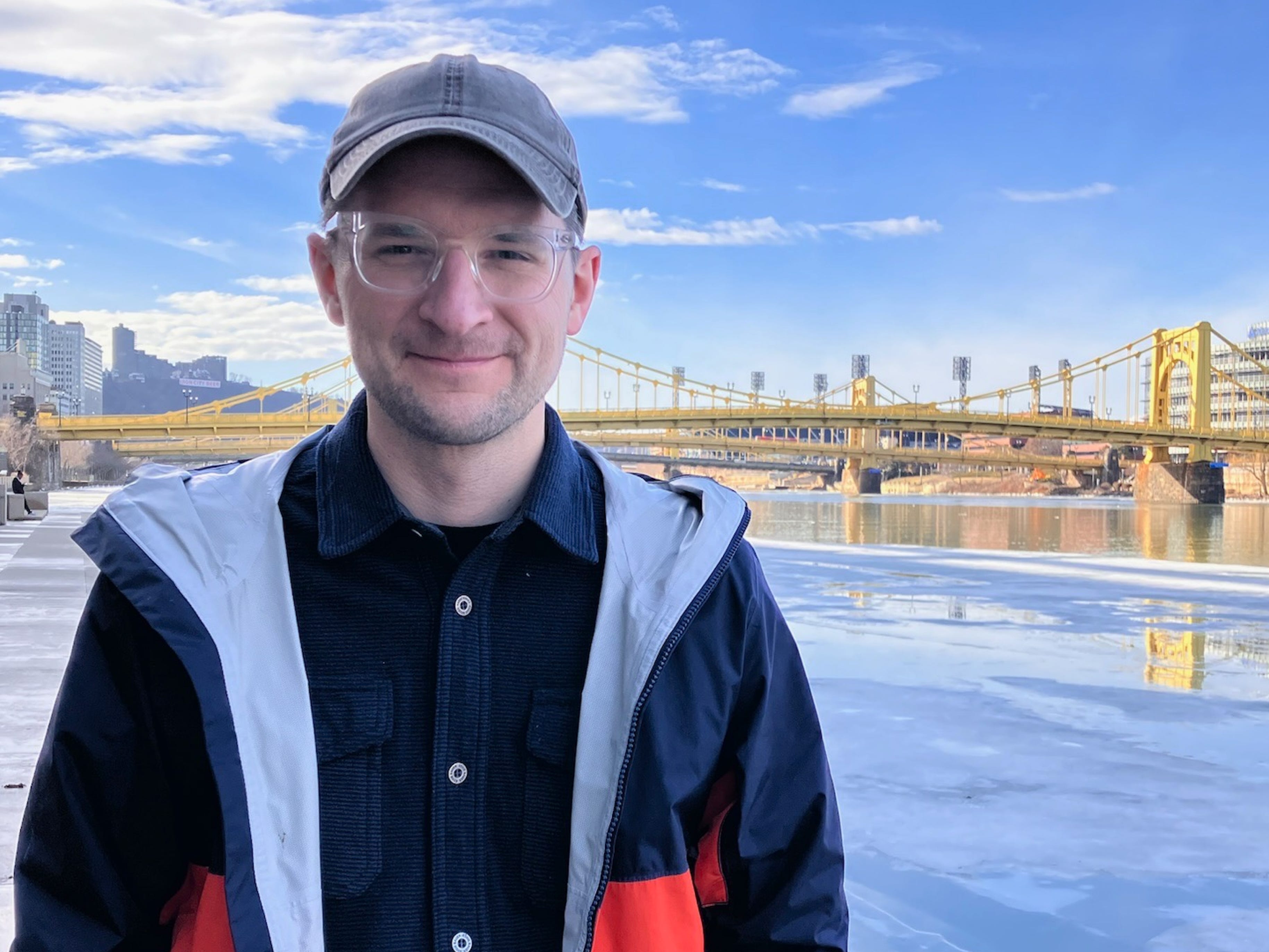
D.J. Trischler is an Assistant Professor of Communication Design at The University of Cincinnati’s Ullman School of Design at DAAP. His research and design work focuses on communication design projects that support communities (like neighborhoods) working to promote neighborliness. D.J.’s Master of Design thesis research (2022) investigated the possibilities of impacting neighborhood quality of life through bottom-up, neighborhood-centered design methodologies. The Price Hill neighborhoods in Cincinnati, Ohio, were the location of D.J.’s study and where he lives with his wife, neighbors, and chickens.
Apart from design and neighborliness, D.J. finds delight in rooting for Pittsburgh and Cincinnati sports teams (which is frequently tragic and paradoxical), looking at TV and movies (his recent favorite is The Last of Us), and ridiculously long walks anywhere with his wife, Megan.
Do you think businesses can lead/start this or does it have to be community/volunteer led. Random but I have a dog business and want to create a hyper local community for dog owners, not to promote my brand but my location that we built has become a community meeting point and connector.